How to Put on a Surfing Wetsuit: Tips and Tricks
July 28th, 2026
Thinking about surfing in just a swimsuit? Think again! Tofino’s ocean stays cold year-round, even in the middle of summer. That’s because deep, cold water from the Pacific is constantly brought up to the surface, keeping our coastline cool and creating the incredible marine ecosystem we love.
During the summer months, the average ocean temperature around Tofino is about 14°C (57°F), and in the winter it can drop to 7–8°C (45–46°F). A good surfing wetsuit is what keeps you warm, comfortable, and able to spend more time catching waves instead of shivering between sets.
So, let’s talk about surfing wetsuits!
What is a wetsuit?
A wetsuit is a snug-fitting suit made from neoprene, a type of rubber foam designed to keep your body warm in cold water.
Unlike a regular swimsuit, a wetsuit helps insulate your body by trapping a thin layer of water between your skin and the suit. Your body warms this water, while the neoprene helps prevent that heat from escaping. The tiny air bubbles inside the neoprene also provide extra insulation.
What kind of surfing wetsuit is best for Tofino?
Because Tofino’s water stays cold throughout the year, having the right wetsuit makes a huge difference.
Most surfers wear:
- 4/3mm wetsuits during the warmer summer months
- 5/4mm wetsuits during the colder months
- Booties, gloves, and a hood when the temperatures drop
If you’re looking to buy your first wetsuit for Tofino surfing, a hooded 5/4mm wetsuit is a great year-round option. Swell Tofino offers 5/4mm backzip wetsuits for rent. Check rental options HERE.
How to Put on a Wetsuit
Putting on a wetsuit can feel like a workout the first few times, but with the right technique, it gets much easier. Here are a few tips:
1. Order Matters
First, check where your zipper is. Most rental wetsuits have a back zipper with a long pull cord. Chest-zip wetsuits have a shorter zipper that runs across the chest.
Now it’s time to suit up:
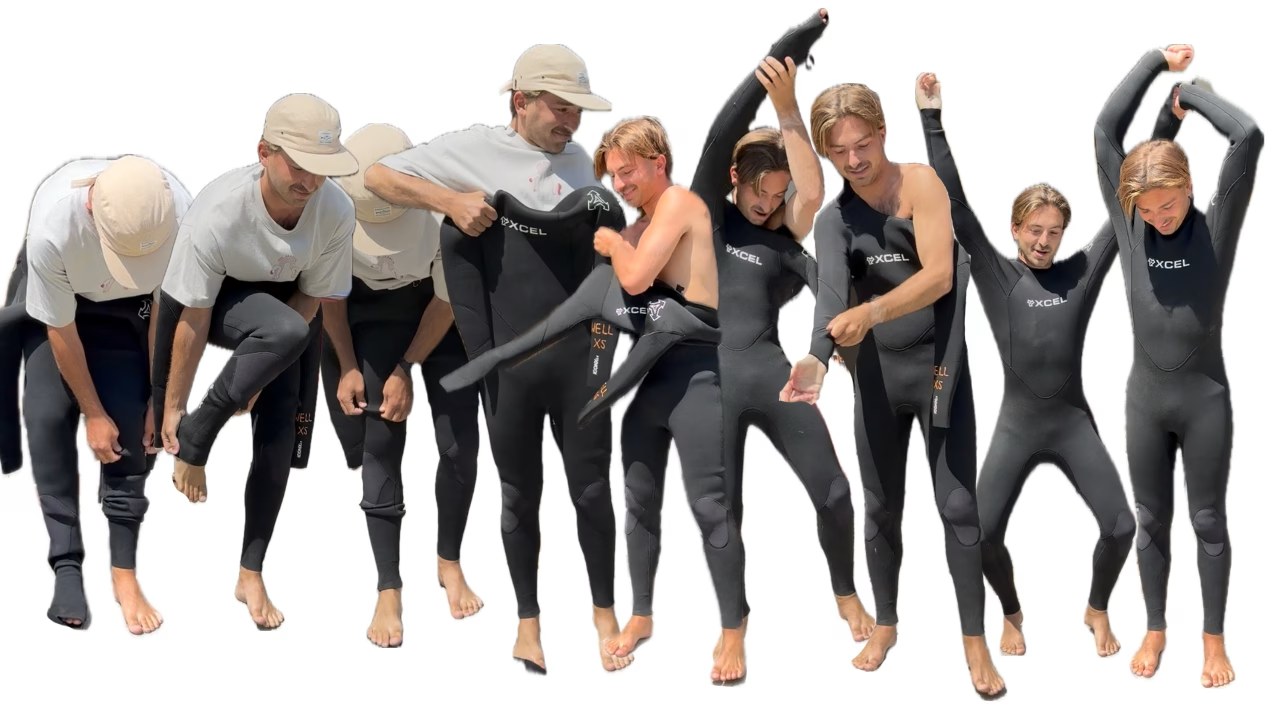
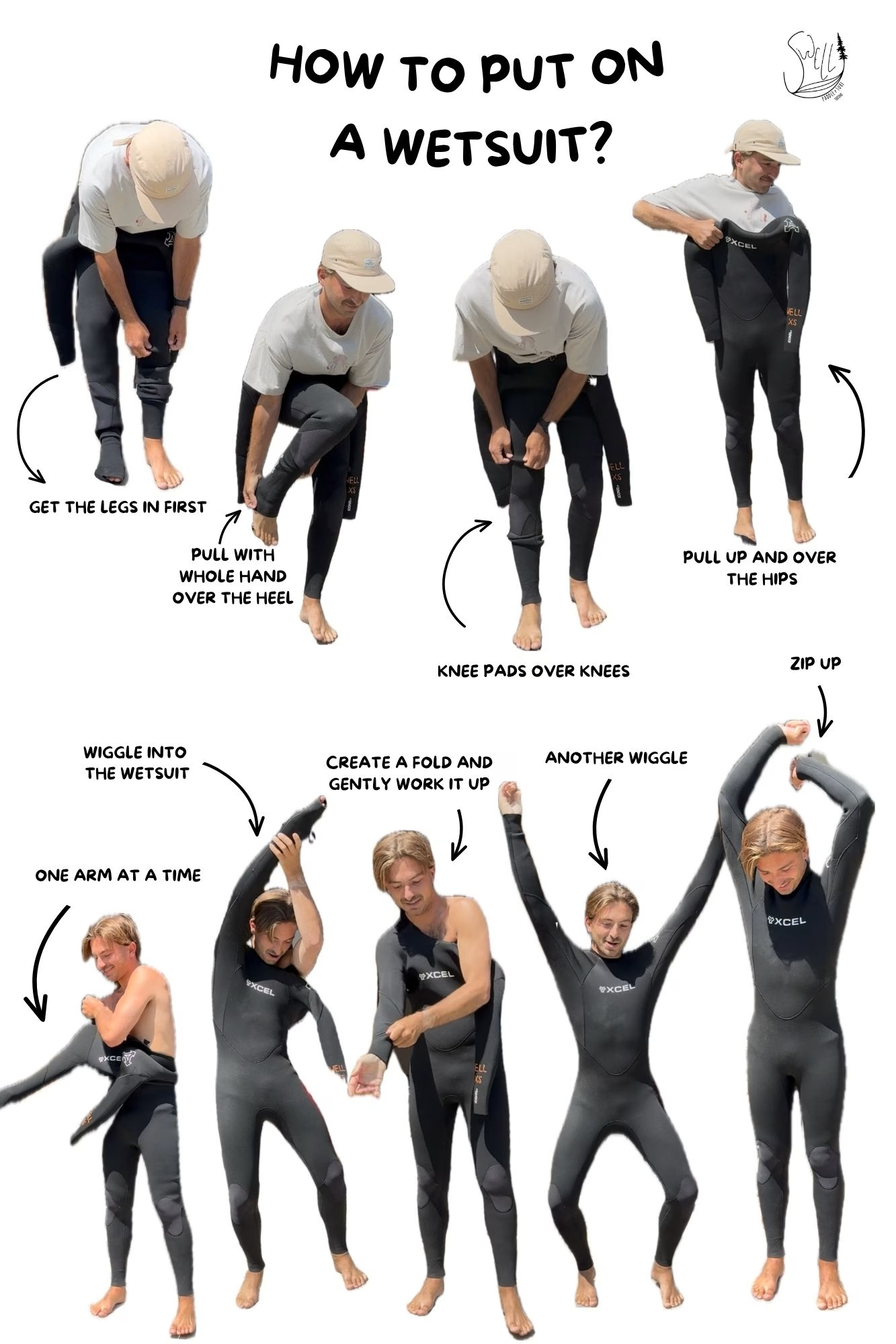
- Start with your legs, one at a time. Slowly work the neoprene up your calves and thighs.
- Pull the wetsuit up until the knee pads are sitting over your knees, then continue pulling it all the way up to your hips. The wetsuit dance 🕺
- Once the wetsuit is sitting comfortably on your hips, move on to your upper body.
- Put one arm in at a time; otherwise, you might end up with T-rex arms. 🦖
- Once you’re fully in, smooth out any bunching so the wetsuit sits comfortably against your body.
- Last, zip it up! Reach back to find the zipper cord with one hand while holding the bottom of the zipper with your other hand. This takes pressure off the zipper and helps prevent damage.
2. Don’t Force It
A wetsuit should feel snug, but you should never have to fight with it. Pulling too hard can stretch the neoprene and damage seams.
A few tricks to make it easier:
- Start with dry skin. A wetsuit slides on much easier when you’re dry. Try to stay in the shade or a cool area while getting changed—the more you sweat, the harder it becomes.
- Use socks or plastic bags. If your feet are wet, putting on socks or sliding a plastic bag over your feet can help your wetsuit glide on more easily.
- Work the neoprene up slowly. Instead of pulling from the top, gently move the wetsuit upward a little at a time, starting from your ankles and working your way up.
- Ask for help when needed. Getting the back zipper closed can be tricky, especially with a new wetsuit. A little help from a friend can save a lot of effort.
- Take off your watch and bracelets
3. Avoid Pinch Points
Pinch points are areas where the wetsuit can feel tight, uncomfortable, or restrict your movement. The key is to make sure the neoprene is sitting comfortably all over your body.
- Adjust the neoprene with finger pads, not your fingernails. This prevents tears and protects the material.
- Make sure the wetsuit is pulled high enough into your hips and crotch. This gives your shoulders more freedom and makes paddling much more comfortable.
- Smooth out folds around your neck, shoulders, armpits, wrists, and ankles to prevent rubbing and discomfort.
- Instead of grabbing and yanking, create a small fold of neoprene and gently work it upward bit by bit.
Remember: your wetsuit should feel tight on land. Once you’re in the water, it will loosen slightly and feel much more comfortable.
Ready to Hit the Waves?
Putting on a wetsuit is just part of the Tofino surfing experience. With a little practice, it becomes second nature—giving you more time to focus on what really matters: catching waves, exploring the ocean, and enjoying every moment in the water.
See you out there!
Lara 🏄♀️
Curious about other surf gear needed? Read this next ➡️ What equipment do you need to surf in Tofino, Canada?